
Tactacam
Reveal Pro 3.0
$103.55
Pros & Cons
Pros
- Multi-network auto-select connects faster and holds signal better than the older Reveal X in fringe spots
- Wi-Fi setup lets you configure it from your phone standing right next to the camera — no fiddly button menus
- Solar-panel compatible, so it's built to run a whole season without a battery trip
- No-glow flash keeps it covert for both deer patterning and gate-watching
- Same low-cost Tactacam plans from ~$5/mo, no contract
Cons
- Premium price for what is still the same core sensor as the X line
- You need the app plus a paid plan to unlock the good stuff
- Solar panel is a separate purchase
At a Glance
Overview
The Tactacam Reveal Pro 3.0 is the company's answer to the one complaint that dogged the older Reveal X line: setup and connection friction. It keeps the proven Reveal hardware DNA but layers on multi-network auto-select for faster, stickier connections, Wi-Fi configuration so you can set the camera up from your phone standing right next to it, and tighter solar integration for a camera built to run a whole season untouched. For hunters already invested in the Tactacam ecosystem, it's the most refined Reveal yet.
Street price sits around $180, putting it at the top of Tactacam's lineup and into premium-cellular territory. The spec sheet mirrors the X-PRO in the ways that matter: a no-glow flash, a 0.4-second trigger, roughly 96 feet of detection, 1080p video, and the same interpolated 96MP still resolution. What you're really paying the premium for is the connection layer and the setup experience, not a new sensor.
The honest framing here is that the Pro 3.0 is an iteration, not a revolution. It shares the same core image sensor as the X line, so your photos won't look dramatically different. The improvements are in reliability and convenience: it connects faster and holds signal better in fringe coverage, and the Wi-Fi setup removes the fiddly on-camera button menus that frustrate first-time cellular users.
If you value getting a camera dialed in quickly and connected reliably in spotty country, and you plan to pair it with solar for true set-and-forget operation, the Pro 3.0 is worth the upgrade over the X-PRO. This review covers what the extra money buys, the real data-plan costs, and how it stacks up against the Moultrie and Spypoint cellular rivals.
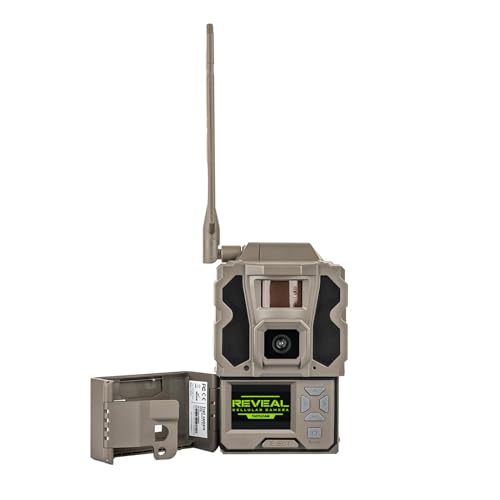
Tactacam Reveal Pro 3.0 Cellular Trail Camera (Multi-Carrier, GPS)
Prices may change · Free shipping with Prime
Design, Build & Theft Resistance
Physically, the Pro 3.0 is unmistakably a Tactacam Reveal: a compact, flat-finish olive box that sits tight to the tree and hides well against bark. The weatherproof case is built for season-long exposure and shrugs off rain and snow, with a gasketed front door and a latch that closes positively. Like the rest of the line, the latch is plastic, so it's the one component we'd handle with care in hard cold.
The Wi-Fi setup is the standout build-experience feature. Rather than thumbing through menus on a tiny screen, you connect to the camera from your phone and configure everything in the app while standing at the tree. That's a meaningful quality-of-life upgrade for anyone who's ever fought a cellular camera's button interface in fading light, and it makes hanging a fleet of cameras genuinely faster.
On theft resistance, the Pro 3.0 carries the same defenses that make Tactacam a smart choice for ground you don't control. Built-in GPS theft tracking lets you see where a stolen camera went from the app, the mounting points accept a Python-style cable lock, and a model-specific steel security box is available for high-risk public-land sets. That layered approach, GPS plus cable plus optional lockbox, is exactly what you want when you're hanging a $180 camera somewhere other people roam. If property security is your use case rather than hunting, those same features apply equally well to a gate or a back fence line.
Detection & Trigger Speed in the Field
The Pro 3.0 carries the same 0.4-second trigger rating as the X-PRO, and the field behavior is identical: fast enough for deer milling at a feeder, scrape, or field edge, but a hair behind the 0.2 to 0.3-second flagships when an animal crosses a trail quickly. For the typical stand-watch or feeder set, you'll get well-centered, complete photos. On a fast-walk pinch point, expect the occasional partial frame and a small gap when several animals file past in quick succession.
Detection range is rated around 96 feet, with realistic, reliable triggering closer to 60 to 80 feet. The marketing distance assumes a large, warm animal moving broadside in ideal temperatures; angle and weather pull that number down. Set it across the trail rather than down it to get the most consistent triggers from the PIR sensor.
The 96MP still figure is interpolated, the same as the X line. The sensor captures at a lower native resolution and the camera upscales the file in software, so while the photos are sharp enough for patterning and animal ID, you're not getting true 96MP detail. Daytime image quality is good with natural color, and 1080p video is solid for confirming behavior. Because it shares the X-PRO's sensor, anyone expecting a big image-quality jump from the upgrade will be disappointed; the gains here are in connection and setup, not pixels.
Night Flash: No-Glow vs Low-Glow
The Pro 3.0 uses a true no-glow infrared flash in the 940nm range, so it stays completely invisible at night. There's no red glow when the flash fires, which keeps it covert for patterning pressured bucks and for gate-watching security work where you don't want a visible tell. For hunters chasing educated deer on public ground, that invisibility is the whole point.
The physics trade-off is unavoidable and identical across all no-glow cameras: 940nm light is dimmer and reaches a bit shorter than the 850nm low-glow LEDs found on cameras like the Spypoint Flex-S or Moultrie Edge 2. Low-glow gives you brighter, slightly longer night images but emits a faint red glow that sharp-eyed deer and people can sometimes notice. The Pro 3.0 trades a little night reach for total stealth.
In the field, expect clean, well-exposed night photos inside roughly 50 to 80 feet, with the characteristic no-glow softness and flat infrared tone on subjects at the edge of the flash. That's a fair result for a covert camera. If covertness is non-negotiable, the Pro 3.0 is right; if you run habituated animals at feeders and food plots and want the brightest possible night image, our no-glow vs low-glow guide explains when a low-glow camera is the smarter pick.
Cellular Data Plans & Real Monthly Cost
Connection is where the Pro 3.0 justifies its name. Its multi-network auto-select connects faster and holds signal better than the older Reveal X in fringe spots, which is the single biggest practical improvement over the X-PRO. In marginal-coverage country, that stronger, stickier connection can be the difference between a camera that reports reliably and one that drops out.
The plan economics are the same affordable Tactacam Reveal structure. Paid monthly, plans run roughly $5 to $13 per camera by photo tier, and committing annually drops the entry tier to about $5 a month billed yearly, with an unlimited option for high-traffic sets and no contract required. That annual pricing remains one of the cheapest ways to run a multi-camera fleet, undercutting Moultrie Mobile's $9.99 floor.
The cost trap is the same one every cellular user hits: thumbnails are cheap, but pulling full-resolution or HD images and video on demand draws down your photo allotment faster and can push you into a higher tier. A busy feeder set racks up requests quickly. Budget realistically at roughly $60 to $150 a year per camera on top of the hardware, and decide your tier before you buy. Our cellular data plans guide breaks down the tiers across Tactacam, Spypoint, and Moultrie so you can see the true annual cost, not just the sticker price.
Power, Batteries & Cold Weather
Tactacam built the Pro 3.0 for solar from the start, and that's how it's best deployed. It runs on extended AA power with an optional solar panel, and pairing it with the panel turns it into a true set-and-forget camera that can run an entire season without a battery trip. For remote sites you dread driving to, solar is the configuration we recommend; the panel is a separate purchase, so budget for it.
If you run it on AAs, lithium cells are the right call. Alkalines sag under the current spikes a cellular radio demands and fail quickly in the cold, exactly when servicing a camera is most painful. Energizer Ultimate Lithium AAs deliver two to three times the runtime, hold voltage from roughly -40°F to 140°F, and weigh less, so they keep the camera alive through hard winter freezes when alkalines quit.
The practical takeaway: never run this camera on alkalines if you expect long, untended runtime. Lithium AAs are the floor, and solar is the ceiling. Because the Pro 3.0 is explicitly solar-ready, the smart play for most buyers is to add the panel up front and rarely touch the camera again. Cold-weather hunters in particular should plan power before the season, since voltage sag in single-digit temperatures is the most common cause of a cellular camera going dark mid-rut.
Who Should Buy (And Who Shouldn't)
Buy the Pro 3.0 if you already trust the Tactacam ecosystem and want the most refined, reliable-connecting Reveal available. The faster multi-network connect and Wi-Fi setup genuinely improve the day-to-day experience, and paired with solar it becomes a true set-and-forget covert camera. It's an excellent fit for hunters running fringe-coverage country where the older Reveal X struggled to hold signal, and for anyone hanging multiple cameras who values quick, phone-based setup.
It's also a sound property-security choice for the same reasons: invisible no-glow flash, GPS anti-theft, and reliable connection on a gate or back fence line. If you want the newest Tactacam and plan to commit to solar, this is the one to get.
Skip it if you already own a Reveal X-PRO and are happy with it; the Pro 3.0 shares the same sensor, so you're paying mainly for connection and setup improvements, not better photos. Skip it if you object to monthly fees, where a no-monthly-fee WiFi or SD camera serves better. And skip it if you need the fastest trigger or the brightest night images; a 0.2 to 0.3-second camera or a low-glow flash respectively will serve those narrow needs better. For Tactacam loyalists who want the best-connecting Reveal, though, it's the clear pick.
Alternatives Worth Considering
The Tactacam Reveal X-PRO is the value play within the same family. It uses the identical core sensor and no-glow flash and offers the same GPS anti-theft and dual-carrier connection, just without the Pro 3.0's faster multi-network connect and Wi-Fi setup. At roughly $150 to $170, it saves you money if you don't need the connection and setup refinements. For most buyers, the choice between these two comes down to how much you value quick setup and fringe-coverage reliability.
The Moultrie Edge 2 Pro, around $160, is the cross-brand rival worth a hard look. It connects across all four major carriers rather than Tactacam's network set, triggers faster at 0.3 seconds, shoots 40MP and 1440p video, and bundles AI false-trigger filtering plus onX Hunt map integration. The downside is its cloud-only design with no SD card backup and a $9.99 monthly entry plan. If nationwide connection breadth and onX matter more than Tactacam's cheaper annual plan, it's the stronger camera. Our Spypoint vs Tactacam vs Moultrie showdown lays out that head-to-head.
The Spypoint Flex-S at around $200 is the alternative for cost-conscious buyers: integrated solar plus a genuinely free 100-photo plan means years of runtime with no battery swaps and no required subscription. It uses a low-glow flash, so it's slightly less covert, but for set-and-forget remote sites where total ownership cost beats outright stealth, it's a compelling option against the solar-equipped Pro 3.0.
Our Verdict
The upgrade pick if you already trust the Tactacam ecosystem and want faster connect plus Wi-Fi setup. Pair it with the solar panel and it becomes a true set-and-forget cell cam.
Tactacam Reveal Pro 3.0 Cellular Trail Camera (Multi-Carrier, GPS)
$103.55
Prices may change · Free shipping with Prime
| Full Specifications | |
|---|---|
| Connectivity | cellular |
| Monthly fee | From $5/mo |
| Night flash | no-glow |
| Photo resolution | 96MP |
| Trigger speed | 0.4s |
| Detection range | 96ft |
| Flash range | 80ft |
| Power | Extended AA + optional solar |
| Weather rating | Weatherproof |
| Storage | microSD |
| Video | 1080p |
Frequently Asked Questions
What's the real difference between the Reveal Pro 3.0 and the X-PRO?
Does it connect to multiple carriers automatically?
How much does the data plan cost per year?
Do I need to buy the solar panel separately?
Will the flash spook deer or alert intruders?
Can I lock it up and track it if it's stolen?
Is the 96MP photo resolution real?
Compare With Similar Trail Cameras
Spypoint
Flex-S
cellular · Free tier (100 photos); from $10/mo · low-glow
$168.08
Head-to-Head Comparisons
Tactacam Reveal Pro 3.0 Cellular Trail Camera (Multi-Carrier, GPS)
$103.55
Prices may change · Free shipping with Prime